

Timber is one of the most environmentally friendly materials available when it is sourced responsibly and used to create products that are built to last. As a woodworker, I spend a lot of time researching where my timber comes from, how it is harvested, and the environmental impact of the materials I use. Sustainability isn’t just about protecting forests—it’s also about reducing waste, supporting responsible forestry practices, and making products that remain useful for many years rather than ending up in landfill.
Why Timber Is a Renewable Resource
Unlike many manufactured materials, timber is a renewable resource. Trees can be replanted, forests can be managed sustainably, and timber products store carbon throughout their lifespan. When forests are responsibly managed, harvested trees are replaced through natural regeneration or replanting programs, allowing the resource to be renewed for future generations.
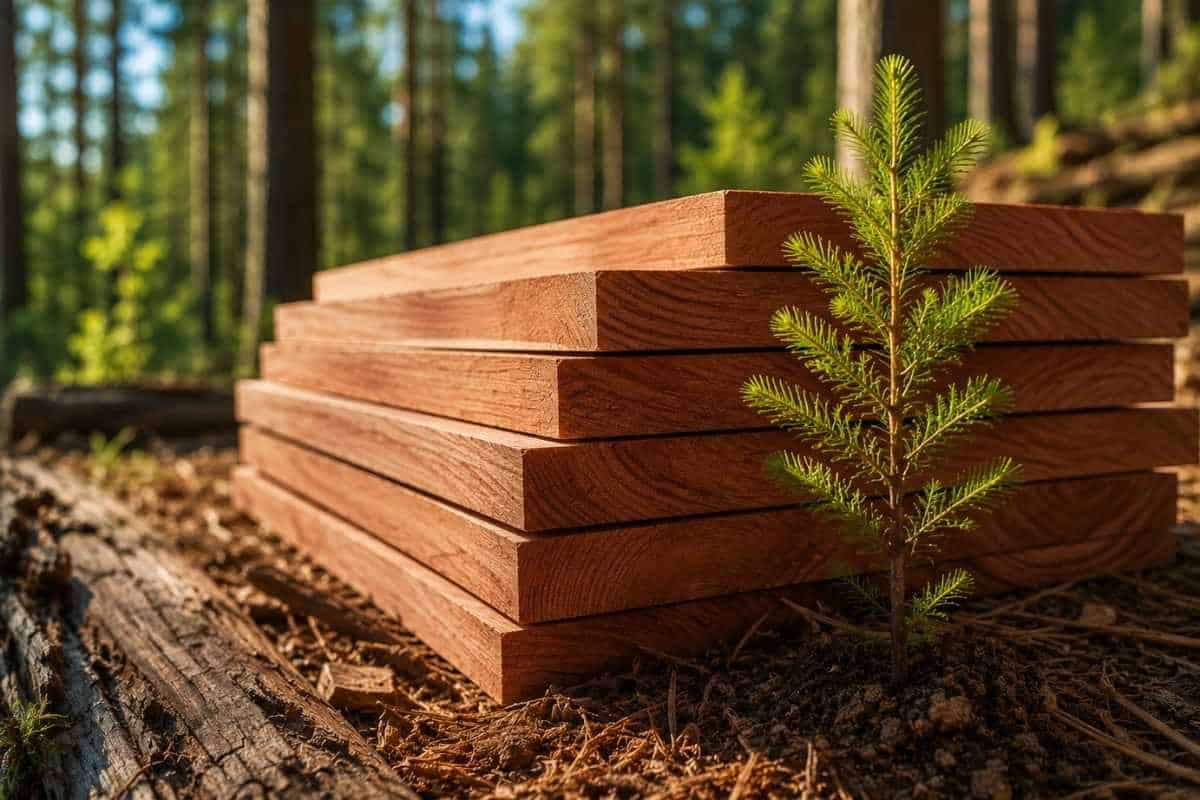
Timber also requires significantly less energy to produce than materials such as steel, aluminium, concrete, and plastics. This lower embodied energy makes wood one of the most environmentally responsible choices for a wide range of products, from furniture and building materials through to handcrafted timber signs and fine woodwork.
Where We Source Our Timber
At Handcrafted Timber, I make a conscious effort to source timber from reputable Australian suppliers wherever possible. I regularly work with sustainably sourced Tasmanian Oak, reclaimed timber, and Western Red Cedar. When making new products I always ask ‘Is this timber environmentally friendly?’
Western Red Cedar is one of my favourite timbers for outdoor signs because it is naturally durable, lightweight, stable, and highly resistant to decay. Its longevity means signs last for many years with minimal maintenance, reducing the need for replacement and helping minimise waste over time.
When selecting timber suppliers, I look for businesses that can provide information about their sourcing practices and demonstrate a commitment to responsible forest management.
Please Note :- The timber industry also supports a wide network of businesses beyond forestry itself, including sawmills, transport companies, equipment suppliers, manufacturers, timber merchants, and skilled tradespeople. Responsible forestry helps support regional communities while providing the timber needed for homes, furniture, joinery, signage, and countless other products.
Early in my journey as a woodworker I asked the question ‘Is timber environmentally friendly?’ Many of the hardwoods I have used over the years, including Victorian Ash, have come from suppliers committed to responsible sourcing and sustainable forest management. If you’d like to learn more about the sustainability practices of one of the mills I have sourced timber from, visit:
According to Australian Sustainable Hardwoods (ASH), less than 0.05% of the available forest area was harvested annually under long-term forest management plans, with harvested areas regenerated to ensure future timber supply. Forestry practices and regulations continue to evolve, and today much of the Tasmanian Oak supplied to the Australian market is sourced from Tasmania following changes to native timber harvesting in Victoria.
As a woodworker, I believe understanding where timber comes from is just as important as understanding how it is used. Responsible sourcing allows us to enjoy the benefits of timber while supporting sustainable forestry and regional Australian industries.
Making the Most of Every Piece of Timber
One of the easiest ways to improve sustainability in a woodworking business is to reduce waste.
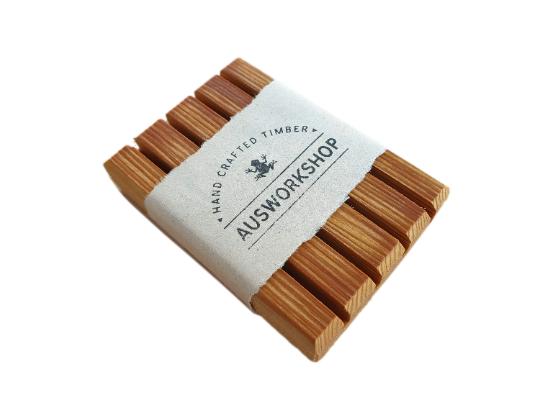
Whenever I produce custom wooden signs, I carefully sort and save usable offcuts rather than sending them to landfill. Many of these offcuts are transformed into practical products such as Western Red Cedar soap holders. This allows more of each board to be used while creating useful products that customers can enjoy for years.
Making the most of every piece of timber helps reduce waste, lowers material consumption,
and respects the resources that went into growing, harvesting, transporting,
and processing the timber in the first place.
Sustainable Timber Is About More Than Trees
Sustainability doesn’t end with the timber itself. The finishes applied to wood also play an important role.
Where possible, I prefer natural oils, waxes, and Australian-made timber finishes that enhance and protect the timber while avoiding unnecessary chemicals. A well-finished timber product lasts longer, requires less frequent replacement, and remains attractive and functional for many years.
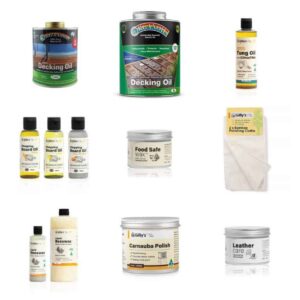
Proper maintenance is also an important part of sustainability. Looking after timber signs, chopping boards, and other wooden products helps extend their lifespan and reduces unnecessary consumption.
Why We Avoid Unsustainable Timber Sources
Not all timber is created equal. While timber itself is a renewable resource, poor forestry practices can damage ecosystems and reduce long-term sustainability.
For this reason, I believe it is important to understand where timber comes from and to support suppliers who prioritise responsible harvesting, regeneration, and environmental stewardship. Choosing sustainably sourced timber helps encourage good forestry practices while supporting industries that are committed to managing forests responsibly.
Conclusion
At Handcrafted Timber, sustainability means more than simply choosing timber over other materials. It means sourcing responsibly, reducing waste wherever possible, using durable materials such as Western Red Cedar, and creating products that are designed to last.
By making informed choices about the timber we use and how we use it, we can continue to enjoy the beauty and practicality of wood while helping ensure it remains a renewable resource for future generations. Hopefully this article has answered the question ‘Is timber environmentally friendly?’
Learn More About Sustainable Timber Choices
As a woodworker, I believe the timber we choose matters just as much as the products we create from it. Different timber species come from different parts of the world and have varying environmental impacts depending on how they are sourced and managed.
One species I have chosen not to use is Merbau. If you’d like to learn more about the reasons behind that decision and some of the environmental concerns associated with its harvesting, you can read my article:
Why I Don’t Use Merbau Timber
Thanks for reading my blog and I welcome your comments below.
– Andrew Wilkerson